
Dr. Murat ÖNAL Kıbrıs Tüp Bebek Merkezi
- +90 548 860 12 22
- bilgi@drmuratonal.com
- Northern Cyprus
Egg Donation in Cyprus
Egg donation in Cyprus is an assisted reproductive treatment that significantly increases pregnancy chances for women experiencing advanced age, low ovarian reserve, or recurrent IVF failures. Dr. Murat Önal and his experienced team support patients with legally offered egg donation services in Cyprus, utilizing the highest standards of laboratory technology and meticulous donor selection.
Egg donation is a method where an egg obtained from a healthy and young donor is fertilized with the recipient woman’s partner’s sperm and then transferred. This method provides effective solutions especially for women in menopause or those with genetic egg quality issues.


Table of Contents
ToggleWhat is Egg Donation?
Egg donation is the process where eggs taken from another woman (donor) are fertilized with the sperm of the recipient woman’s husband or partner. The fertilized embryo is then transferred into the recipient mother’s uterus to initiate pregnancy.
Who is it for?
- Women whose ovarian reserve is depleted due to advanced age
- Those experiencing premature menopause (premature ovarian failure)
- Women who cannot use their own eggs due to genetic disease carriers
- Women who have undergone multiple IVF attempts with poor embryo quality
- Women born without ovaries (such as Turner Syndrome)
Egg donation in Cyprus is applied within the framework of legal regulations and ethical principles. Dr. Murat Önal’s clinic monitors every stage from donor selection to embryo transfer one-on-one.
Is Egg Donation Legal in Cyprus?
Cyprus is one of the few countries where egg donation treatment is legally performed. This method, which is not legal in Turkey, is regulated under the assisted reproductive technologies law in Cyprus.
What do legal regulations cover?
- Identity information of the donor and recipient mother is not shared mutually; an anonymous system is applied.
- All health screenings, infectious disease, and genetic tests of donors are mandatory.
- The maximum number of embryos transferred and donor selection criteria are supervised by the Ministry of Health.
Dr. Murat Önal’s clinic provides services in full compliance with legal regulations and within ethical standards.

How is Egg Donation Done in Cyprus?
The egg donation treatment process is planned step by step by a professional team. Generally, the process in Cyprus proceeds as follows:
1 – Initial Consultation and Planning
- Online or in-person consultation is conducted.
- The recipient mother’s hormonal status, uterine structure, and general health are evaluated.
- Blood tests, transvaginal ultrasound, and necessary genetic screenings are planned.
2 – Donor Selection
- The most suitable candidate is selected from Cyprus’ egg donor pool based on criteria such as physical characteristics and blood group.
- Detailed health and infection screenings of the donor are performed.
3 – Donor Preparation and Egg Retrieval
- The donor begins treatment with a controlled ovarian stimulation protocol.
- When eggs mature, they are collected under sedation.
4 – Recipient Mother’s Preparation
- The recipient mother’s endometrium (uterine lining) is prepared for pregnancy with medication treatments.
5 – Fertilization and Embryo Transfer
- Donor eggs are fertilized with the recipient mother’s partner’s sperm.
- The best quality embryo among the developed embryos is transferred to the recipient mother on transfer day.
6 – Pregnancy Test
- A blood β-HCG test is performed 10–12 days after transfer to learn the pregnancy result.
Dr. Murat Önal’s clinic aims to provide detailed information and psychological support at every stage of your treatment, ensuring you have the most comfortable and safe experience.
Who Can Receive Egg Donation?
Egg donation treatment is suitable for women who have no chance of pregnancy with their own eggs. Especially:
- Women whose ovarian reserve is depleted due to advanced age (42 years and above)
- Those experiencing premature menopause (premature ovarian failure)
- Women born without ovaries, such as Turner Syndrome
- Genetic disease carriers who do not want to pass these diseases to their children
- Women who have failed multiple IVF attempts due to low egg or embryo quality
Egg donation in Cyprus is an effective and reliable option for couples whose dreams of having a baby have been interrupted due to advanced age or repeated failures.
Egg Donation Process in Cyprus
Egg donation treatment in Cyprus is completed within an approximately 2–3 week program. At Dr. Murat Önal’s clinic, the process includes:
1. Initial Consultation and Planning
- Patient history is taken through an online or in-person meeting.
- Recipient mother’s hormonal values, uterine structure, and general health are assessed.
- Treatment schedule is planned and necessary blood tests are requested.
2. Donor Selection
- A donor matching the recipient mother’s criteria is determined from the wide donor pool.
- All health and genetic screenings of the donor are completed.
3. Starting Donor and Recipient Treatment
- The donor begins hormone treatment to increase egg development.
- The recipient mother starts estrogen and progesterone therapy to thicken the uterine lining.
4. Egg Retrieval and Fertilization
- Mature eggs collected from the donor are fertilized in the laboratory with the recipient mother’s partner’s sperm.
- Embryos are monitored for development.
5. Embryo Transfer
- A day 3 or day 5 embryo is transferred into the recipient mother’s uterus.
- The procedure is painless and does not require anesthesia.
6. Pregnancy Test
- A blood β-HCG test is performed 10–12 days after transfer to determine pregnancy results.
Dr. Murat Önal and his team provide detailed information and psychological support at every stage, ensuring a comfortable and safe treatment process.
How is Egg Donor Selected?
Donor selection is one of the most critical steps of treatment. At Dr. Murat Önal’s clinic, donor selection is carried out as follows:
- Wide donor pool: Young donors from different ethnic backgrounds who have completed health screenings.
- Criteria-based matching: Recipient mother’s physical characteristics (skin color, eye color, hair color, height, weight), blood group, and RH status are considered.
- Medical evaluation: All hormonal tests, AMH (Anti-Müllerian Hormone) level, infectious disease tests, and genetic screenings of donors are checked.
- Anonymous and ethical system: No identity sharing between donor and recipient; the entire process is conducted with confidentiality.
Conclusion: Among clinics offering egg donation in Cyprus, Dr. Murat Önal’s clinic is a reliable center in terms of donor matching, legal process management, and ethical principles.
Egg Donation Success Rates in Cyprus
Egg donation treatment in Cyprus is one of the assisted reproductive methods with the highest success rates because:
- Donors are young, healthy, and have high egg reserves.
- The recipient mother’s uterus is ideally prepared before embryo transfer.
- Advanced laboratory technologies are used.
Success rates at Dr. Murat Önal’s clinic:
- Using donor eggs under 35 years old: 75–85%
- Overall average pregnancy rate: 65–75%
Success rates may vary depending on the recipient mother’s uterine structure, health status, and embryo quality. After the initial evaluation, your specific success rates will be shared in detail.
Advantages of Egg Donation in Cyprus
Cyprus is a destination with high demand for egg donation treatment from Europe and the Middle East. The main reasons are:
- Legal practice advantage: This treatment, which is not legal in Turkey, is applied legally and in accordance with ethical standards in Cyprus.
- High success rates: High chances of success due to young, healthy donors and advanced laboratory technologies.
- Short waiting time: Treatment is quickly planned thanks to a wide donor pool.
- Affordable prices: More economical treatment costs compared to European countries.
- Personalized treatment: Separate protocol is prepared for each patient and the process is closely monitored.
- Comfortable health tourism: Cyprus is easily accessible with extensive accommodation options.
Conclusion: Egg donation treatment in Cyprus is an ideal option to realize your dream of having a baby in the safest, most effective, and most cost-effective way.
Embryo Transfer After Egg Donation
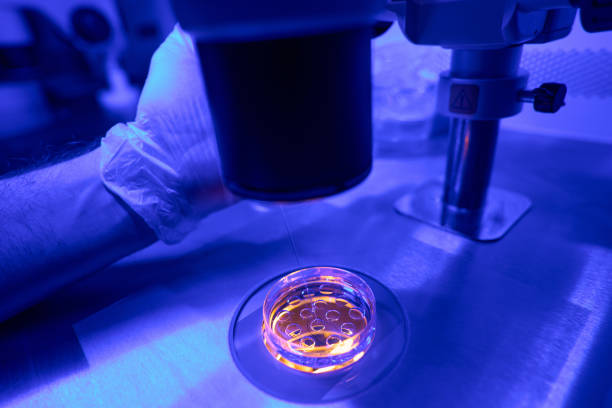
Embryo transfer is the most critical stage of egg donation treatment. At Dr. Murat Önal’s clinic, the embryo transfer process proceeds as follows:
1 - Embryo Development Monitoring
- Donor eggs fertilized with your partner’s sperm are monitored in the laboratory for 3–5 days.
- Blastocyst (day 5) transfer is the ideal method increasing pregnancy chances.
2 - Transfer Day
- Endometrial thickness is checked via ultrasound.
- The best quality embryo is transferred to the uterus under ultrasound guidance using a thin catheter.
- The procedure is painless and does not require anesthesia.
3 - Post-Transfer Process
- Patients rest in the clinic for 30–45 minutes after transfer.
- They can return to their normal daily activities the same day.
3 - Pregnancy Test
- A blood β-HCG test is performed 10–12 days after transfer to determine the pregnancy result.
Dr. Murat Önal provides detailed information about medication use and lifestyle recommendations after transfer.
Frequently Asked Questions About Egg Donation in Cyprus
What is the pregnancy chance after egg donation treatment in Cyprus?
When donor eggs under 35 years old are used, the pregnancy rate is between 75–85%.
Until what age can egg donation be applied in Cyprus?
Generally, it is applied up to the age of 50, but the patient’s overall health condition is also evaluated.
Is marriage required for egg donation in Cyprus?
According to Cypriot law, marriage is not required, but clinic policies may vary.
How long does egg donation take in Cyprus?
It usually takes 2–3 weeks. This duration is determined by pre-treatment preparation and donor treatment process.
Is gender selection possible after egg donation in Cyprus?
Legally, gender selection is only allowed if there is a serious risk of genetic disease.
Who will the baby resemble in donor egg pregnancies?
The genetic structure belongs to the donor and your partner’s sperm. However, the carrying mother (you) affects the baby’s epigenetic development.
What tests are required for egg donation in Cyprus?
Hormone tests, transvaginal ultrasound, infectious disease screenings, and genetic tests if necessary.
Is egg donation a painful procedure in Cyprus?
No. Egg retrieval is performed under sedation for the donor; transfer procedure for the recipient mother is painless.
How does the IVF process proceed after egg donation?
After the donor egg is fertilized, embryo transfer is performed and pregnancy test results are awaited.
Is medication necessary after egg donation in Cyprus?
Yes. Estrogen and progesterone support are given for uterine preparation.
Are there any risks in pregnancy with donor eggs?
Risks are similar to conventional IVF. General pregnancy risks in advanced age should be considered.
How many days should one stay in Cyprus after egg donation?
Generally, 7–10 days of accommodation is recommended.
How can an appointment be made for egg donation in Cyprus?
You can make an online consultation appointment via Dr. Murat Önal’s website or contact numbers.
Is egg donation covered by insurance in Cyprus?
In most countries, it is not covered by insurance; private payment is required.
Is pregnancy possible again after egg donation?
Yes, if donor embryos are frozen, transfer can be repeated or a new donation can be planned.